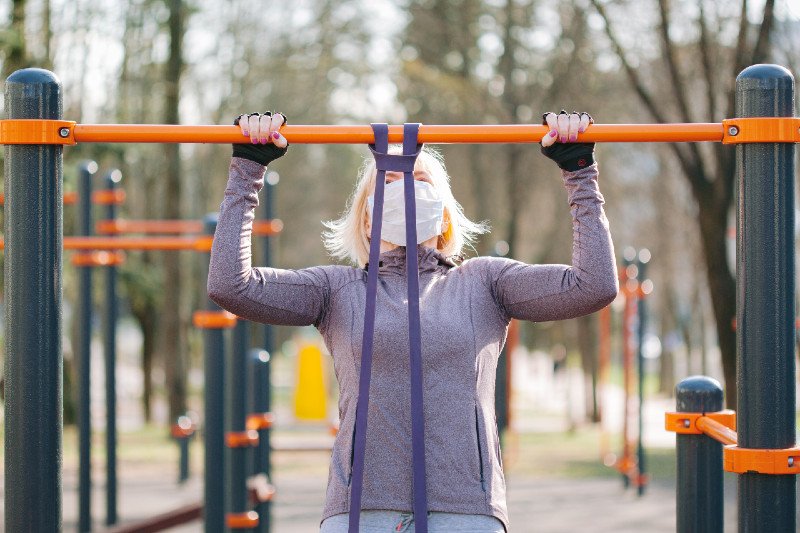
Starting pull-ups can feel intimidating, but with the right tools and guidance, beginners can make steady progress. Pull-ups build strength in your back, shoulders, and arms, and they can be done effectively at home with accessories purchased on Amazon. Incorporating the right gadgets helps you learn proper form and avoid injury while increasing reps over time. One essential tool for beginners is the pull-up assist band, which provides support during the exercise and makes the movement more manageable. This guide will walk you through the basics of pull-ups, the best gadgets to use, and how to structure your workouts for consistent improvement.
Understanding Proper Pull-Up Form
To perform a pull-up correctly, start by gripping the bar with palms facing away from you and hands slightly wider than shoulder-width apart. Hang with your arms fully extended, engage your core, and pull your chest toward the bar by squeezing your shoulder blades together. Avoid swinging your legs or using momentum, as this reduces effectiveness and can lead to strain. Beginners often struggle with full-range pull-ups at first, which is where gadgets like the pull-up assist band can help by providing support. Learning the correct form from the beginning prevents bad habits and builds strength more efficiently.
Using a Pull-Up Assist Band for Support
A pull-up assist band is one of the most effective tools for beginners because it reduces the amount of bodyweight you lift during the movement. Loop the band over the pull-up bar and place your knee or foot inside the band to receive extra lift as you pull up. This assistance allows you to complete more reps with proper form, which accelerates strength gains. Over time, you can switch to lighter resistance bands or reduce reliance on the band entirely as you get stronger. Assisted pull-up bands also help you practice control throughout the movement, making it easier to transition to unassisted pull-ups.
Choosing the Right Pull-Up Bar
Selecting a pull-up bar that fits your space and skill level is an important first step. Amazon offers a range of options, including doorway bars, wall-mounted models, and freestanding stations. Doorway bars are ideal for small spaces and renters because they typically do not require tools for installation. Wall-mounted bars provide more stability and support heavier loads, but they may require drilling. Freestanding stations offer the most versatility but take up more floor space. Whatever style you choose, ensure it is rated for your weight and fits securely before attempting pull-ups with or without a band.
Additional Gadgets to Enhance Training
Besides a pull-up assist band and a bar, several other affordable Amazon gadgets can support your pull-up progress. Grip pads or gloves help protect your hands and improve comfort during sets. Chalk or liquid chalk enhances your grip on the bar, especially during longer workouts. Resistance loop bands can also be used for warm-up exercises, mobility drills, and strength-building movements like rows. Some beginners find wrist straps useful when grip fatigue limits the number of reps they can perform. Incorporating these accessories into your routine enhances comfort, performance, and consistency.
Structuring Your Beginner Pull-Up Workouts
Consistency and progression are key when learning pull-ups. Begin with assisted pull-up sets using your pull-up assist band, aiming for multiple sets of manageable reps rather than pushing to failure. Pair these with supporting exercises such as inverted rows, lat pulldowns (if you have equipment), and core strengthening movements. Rest between sets to allow muscle recovery, and track your progress over time. As strength improves, gradually reduce the assistance provided by the band or increase repetitions. Setting achievable goals will help maintain motivation and ensure steady improvement.
Conclusion: Starting Strong with Pull-Up Progress
Pull-ups are a challenging yet rewarding exercise that anyone can learn with the right approach. Incorporating Amazon gadgets like a pull-up assist band, a suitable pull-up bar, and supportive accessories makes the learning curve smoother and more enjoyable. Focusing on proper form, consistent practice, and gradual progression helps build strength effectively while reducing the risk of injury. Use this beginner’s guide to structure your workouts and track your improvements over time. With patience and the right tools, full unassisted pull-ups are an achievable goal.