
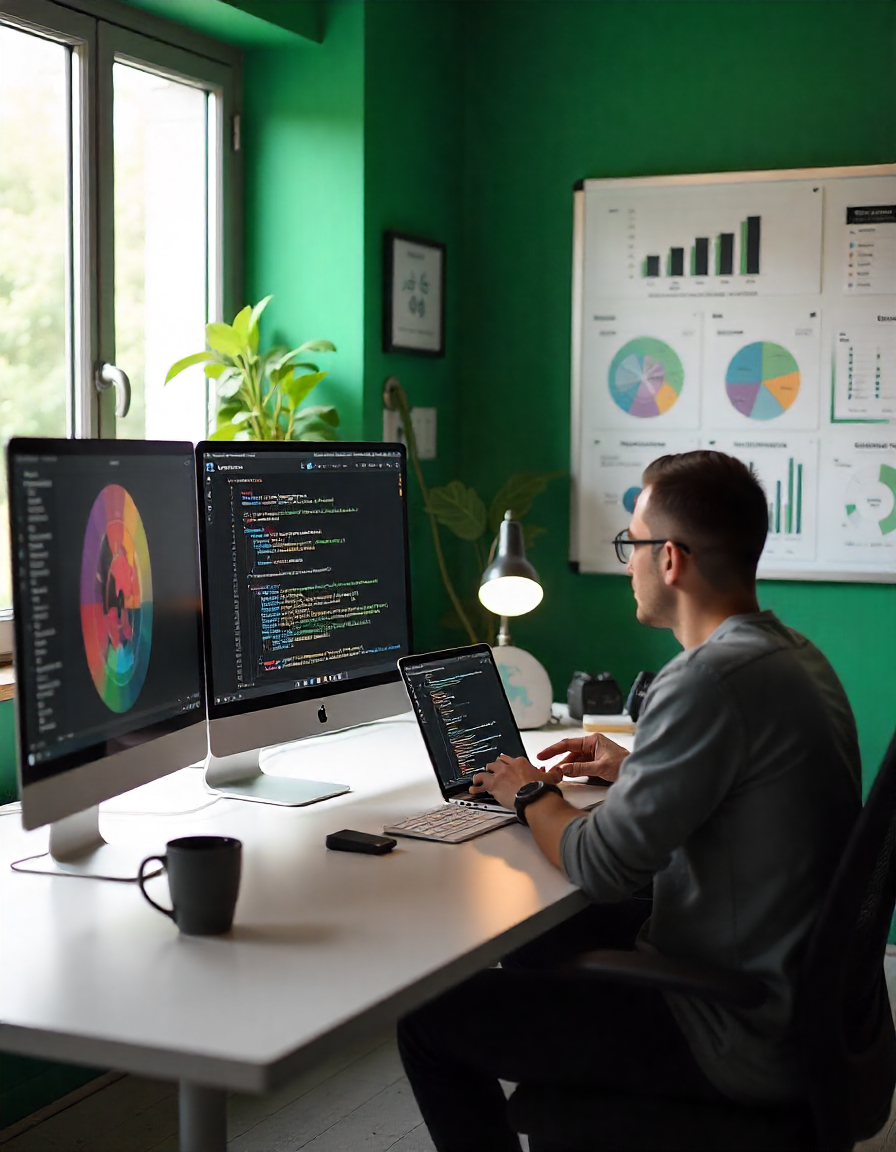
Color surrounds us every moment of our lives, yet most people never consider how deeply these hues influence their thoughts, emotions, and behaviors. From the clothes you choose each morning to the way you decorate your living space, color psychology plays a more significant role in your lifestyle decisions than you might realize.
Research from the University of Rochester reveals that exposure to different colors can alter heart rate, blood pressure, and even athletic performance within seconds. This isn’t just aesthetic preference—it’s neurological programming that affects how you navigate the world around you.
The Science Behind Color Perception
Your brain processes color information faster than any other visual element. Within 90 seconds of encountering a product, person, or environment, you’ve already formed subconscious judgments based primarily on color cues. This rapid-fire processing happens because color perception evolved as a survival mechanism, helping our ancestors identify ripe fruit, clean water, and potential dangers.
Modern neuroscience shows that different wavelengths of light trigger distinct neural pathways in your brain. When you see red, for example, your amygdala—the brain’s alarm system—becomes more active, increasing alertness and arousal. Blue light, conversely, stimulates the production of melatonin and activates the parasympathetic nervous system, promoting relaxation.
Dr. Sally Augustin, an environmental psychologist and principal at Design With Science, explains that these responses occur regardless of cultural background or personal preference. “While learned associations with colors vary between cultures, the fundamental neurological responses remain consistent across human populations,” she notes.
Red: The Color of Action and Intensity
Red stands as the most psychologically powerful color in the spectrum. Studies conducted at the University of British Columbia found that exposure to red enhances performance on detail-oriented tasks by up to 31%. This occurs because red triggers what psychologists call “avoidance motivation”—a heightened state of caution that improves focus and accuracy.
In your daily life, wearing red clothing can boost confidence during important meetings or presentations. The color literally makes you appear more dominant and assertive to others. Research published in the Journal of Experimental Psychology showed that athletes wearing red uniforms win significantly more competitions than those in other colors.
However, red’s intensity comes with drawbacks. Prolonged exposure can increase stress levels and aggressive behavior. Interior designers recommend using red sparingly in bedrooms or meditation spaces, as it can interfere with relaxation and sleep quality.
Blue: The Universal Calming Agent
Blue consistently ranks as the world’s favorite color across cultures, and there’s solid psychological reasoning behind this preference. Exposure to blue light decreases cortisol production—your body’s primary stress hormone—while simultaneously lowering blood pressure and heart rate.
Companies leverage blue’s calming properties strategically. Facebook, Twitter, LinkedIn, and countless financial institutions use blue in their branding because it promotes trust and reliability. When you see blue, your brain associates it with stability and competence.
For lifestyle applications, incorporating blue into your workspace can enhance creative thinking and problem-solving abilities. A 2009 study published in Science magazine demonstrated that people working in blue environments generated twice as many creative solutions compared to those in red settings.
However, blue can also suppress appetite—which explains why it’s rarely used in food packaging or restaurant design. If you’re trying to maintain a healthy relationship with food, blue plates and dining room decor might actually support portion control.
Green: Nature’s Reset Button
Green occupies a unique position in color psychology because it requires the least adjustment from your eye muscles to process. This physiological ease translates into psychological comfort, making green the most restful color for sustained viewing.
The concept of “green spaces” in urban planning isn’t just aesthetic—it’s therapeutic. Research from Stanford University found that 90-minute walks in green environments reduce activity in the brain’s subgenual prefrontal cortex, the region associated with depression and anxiety. Simply looking at green can lower eye strain and mental fatigue within minutes.
Green also enhances focus and reduces mental exhaustion. Many professional snooker players credit green baize tables with helping them maintain concentration during lengthy matches. For remote workers and students, adding green plants or green accents to workspaces can improve productivity and reduce stress-related symptoms.
Interestingly, different shades of green produce varying effects. Emerald and forest greens promote feelings of sophistication and wealth, while lime and neon greens can create anxiety and visual discomfort over time.
Yellow: The Double-Edged Sunshine
Yellow presents the most complex psychological profile of any color. While it can boost mood and energy levels, it also triggers more anxiety and agitation than any other hue. This paradox stems from yellow’s intense brightness and high visibility—qualities that can overwhelm the visual cortex with prolonged exposure.
Babies cry more frequently in yellow rooms, and arguments escalate more quickly in yellow environments. Yet yellow also stimulates mental activity and enhances memory retention. Students using yellow highlighters show improved recall compared to those using other colors, according to research from the University of Iowa.
The key to harnessing yellow’s benefits lies in moderation and shade selection. Soft, creamy yellows promote warmth and optimism without triggering stress responses. Bright, electric yellows should be used as accent colors rather than dominant themes.
Purple: The Color of Luxury and Creativity
Purple has maintained associations with royalty and luxury throughout history, partly due to its rarity in nature and the expense of creating purple dyes. These cultural associations have become neurologically embedded—seeing purple automatically triggers thoughts of quality, sophistication, and exclusivity.
From a psychological standpoint, purple stimulates the imagination and encourages introspection. Artists and writers often gravitate toward purple environments because the color promotes creative thinking and unconventional problem-solving approaches.
However, purple can also feel isolating or melancholy in large doses. Interior designers recommend using purple as an accent color in social spaces, reserving deeper purples for private areas like bedrooms or home offices where contemplation is desired.
Practical Applications for Daily Life
Understanding color psychology allows you to make more intentional lifestyle choices that support your goals and well-being.
Wardrobe Strategy: Choose red for presentations or negotiations, blue for building trust with new colleagues, and black for projecting authority. Avoid yellow shirts for stressful situations, as the color can amplify anxiety in both yourself and others.
Home Environment: Paint bedrooms in cool blues or soft greens to promote better sleep. Use warm colors like terracotta or cream in dining areas to encourage family conversation and appetite. Add yellow accents to kitchens and breakfast nooks for morning energy.
Workspace Optimization: Blue lighting or decor enhances creative work, while red elements improve attention to detail. Green plants serve dual purposes—they clean the air and provide visual rest during screen-heavy workdays.
Exercise and Motivation: Red workout clothes and gym environments can boost performance intensity. Green outdoor exercise provides additional mental health benefits beyond physical activity alone.
The Future of Color in Lifestyle Design
Emerging research continues to reveal new connections between color and human behavior. Virtual reality therapy now uses specific color combinations to treat phobias and PTSD. Smart home systems adjust lighting colors throughout the day to support natural circadian rhythms.
As our understanding deepens, color psychology will likely become more personalized. Genetic variations in color perception mean that individual responses to colors vary more than previously understood. Future lifestyle applications might include personalized color prescriptions based on genetic testing and individual psychological profiles.
Conclusion: Your Colorful Path Forward
Color psychology isn’t pseudoscience—it’s a well-documented phenomenon with practical applications for improving your daily experience. By understanding how different hues affect your mood, productivity, and relationships, you can make more conscious choices about your environment and appearance.
Start small by paying attention to how different colors make you feel throughout the day. Notice whether certain outfits boost your confidence or if specific room colors affect your energy levels. Use this awareness to gradually adjust your surroundings in ways that support your goals and enhance your well-being.
Remember that color preferences often reflect deeper psychological needs. Your favorite colors might reveal aspects of your personality or current life phase that warrant attention. Embrace this self-knowledge as another tool for creating a more intentional, fulfilling lifestyle.
The colors you choose aren’t just aesthetic decisions—they’re powerful lifestyle tools that can enhance everything from your professional success to your personal relationships. Use them wisely.
