Media, often referred to as the “fourth estate,” is a powerful institution in modern society. It informs, influences, and sometimes even dictates public discourse. From traditional outlets like newspapers, radio, and television to digital platforms like social media and blogs, the media’s role in shaping public opinion cannot be overstated. While its primary purpose is to inform and educate, media also holds the power to sway perceptions, attitudes, and even election outcomes.
This blog explores the intricate relationship between media and public opinion, the mechanisms through which this influence operates, and the ethical responsibilities that accompany such immense power.
The Power of Media in Modern Society
1. Media as the Gatekeeper of Information
Media organizations make decisions every day about what stories to publish, what events to highlight, and what issues to ignore. This role as a “gatekeeper” means media holds significant control over the information the public consumes.
For example, when a particular news story is given extensive coverage—such as a natural disaster or a political scandal—it often becomes a topic of national concern. Conversely, underreporting on certain topics, such as systemic environmental issues or local political activism, leaves these issues largely out of public view.
2. Agenda-Setting Effect
Media doesn’t tell people what to think, but it tells them what to think about. This concept, known as agenda-setting theory, highlights how media prioritizes issues through frequency, prominence, and narrative framing.
For instance, climate change became a staple of public discourse in part because of consistent and evolving media coverage, from alarming scientific reports to individual stories of impact, such as wildfires and rising sea levels. By focusing attention on these topics, the media elevates their perceived importance in the eyes of the public.
3. Framing and Narratives
Framing refers to how media outlets present a story, including the language, visuals, and context provided. A single event can be framed as a crisis, a political failure, or a natural occurrence, depending on the agenda of the media organization.
Consider economic downturns. Framing them as a result of government inefficiency versus market fluctuations can significantly shape how the public perceives accountability and potential solutions.
4. Media as a Feedback Loop
Public opinion and media coverage share a symbiotic relationship. Public interest drives what the media covers, but at the same time, these stories often shape public priorities. This feedback loop becomes particularly visible during election cycles, where polls, debates, and public reactions drive extensive media narratives, which in turn influence voter behavior.
Building Public Opinion Through Media Channels
To understand how media impacts the collective mindset, it’s essential to dissect the mediums through which this influence occurs. Each plays a unique role in molding opinions.
1. Traditional Media
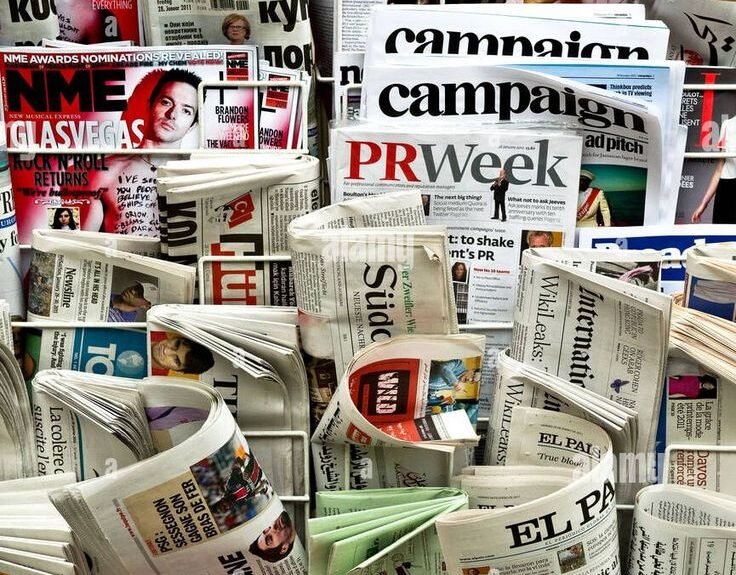
Newspapers, magazines, and broadcast television have long-standing credibility and wide reach. Their investigative reporting and editorial content often become the basis for public debate. The editorial pages of leading newspapers, for instance, have historically played a central role in shaping national conversations.
Even now, traditional media remains influential, particularly among older demographics, and continues to act as a benchmark for evidence-based reporting in an era of pervasive misinformation.
2. Social Media
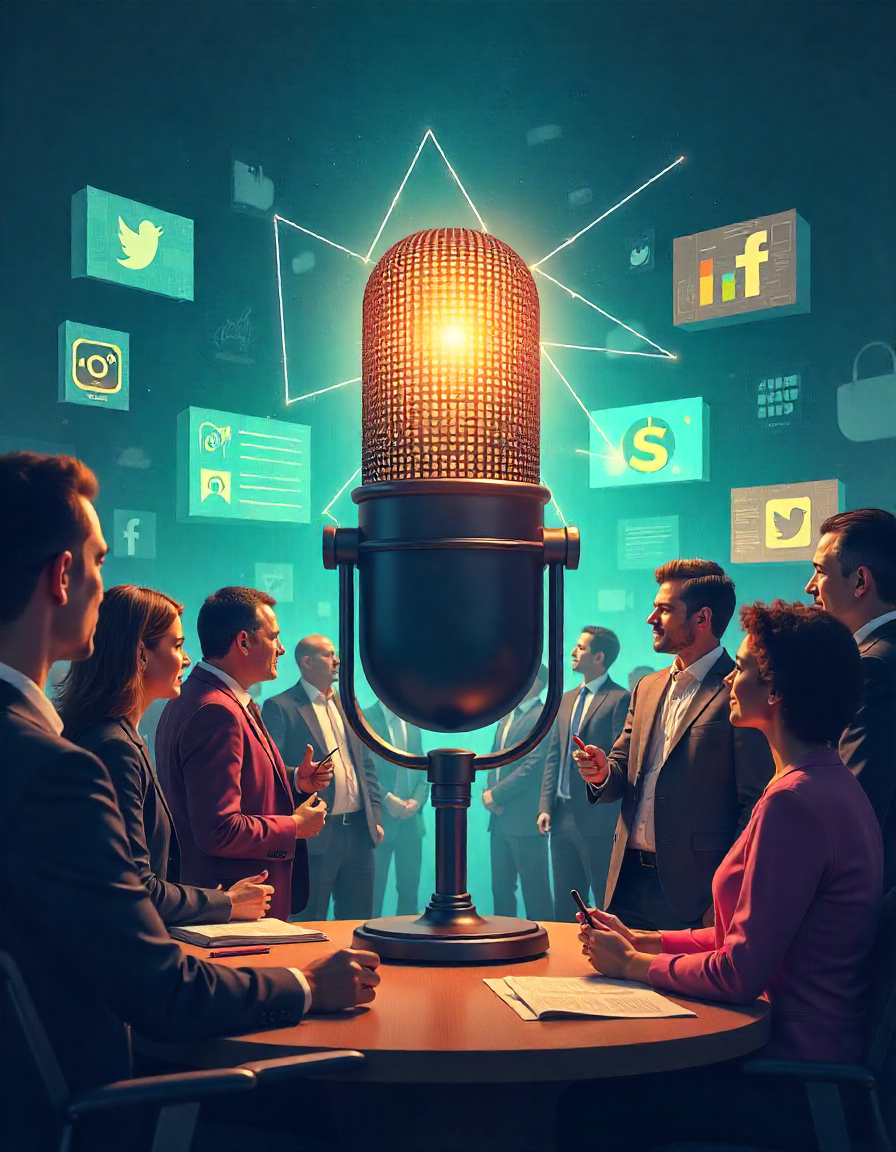
The rise of social platforms like Twitter, Facebook, and Instagram has transformed how information spreads. Social media accelerates the speed at which news reaches the public and offers a platform for individuals to contribute to discussions, often bypassing traditional media gatekeepers.
However, this democratization of information has its downsides. Algorithm-driven feeds can create echo chambers, reinforcing pre-existing beliefs and polarizing discourse. For example, during major elections, users often encounter content tailored to their preferences, limiting exposure to alternative viewpoints.
3. Visual Media and Documentaries
Television news, YouTube videos, and streaming documentaries create an immersive experience, often tugging at emotions to drive home key messages. Visual media is particularly effective in creating empathy. An iconic example is the photograph of a lifeless Syrian boy on a beach, which dramatically shifted global attitudes toward the migrant crisis.
This medium is so impactful because humans process visual information more emotionally than textual or auditory information.
Media’s Responsibility in Shaping Public Opinion
With great power comes great responsibility, and few institutions wield as much influence as media. Over the years, questions about ethical obligations and accountability have gained importance, particularly as modern challenges grow more complex.
1. Combating Bias and Partisanship
Media bias, whether overt or subtle, undermines its ability to provide balanced information. When editorial policies favor specific political ideologies, public opinion can become sharply divided, and trust in the media erodes.
Ethical journalism demands that coverage remains as neutral and fact-based as possible. Proactively providing diverse perspectives ensures audiences are exposed to multiple angles of a story, enabling independent critical thinking.
2. Fact-Checking and Misinformation
The rapid spread of fake news on social media platforms poses a significant risk. Misinformation and disinformation not only mislead the public but also exacerbate social tensions. Media outlets must invest in rigorous fact-checking and verification processes to ensure credibility, especially during critical junctures like elections or public health crises.
3. Protecting Vulnerable Audiences
The media also has a responsibility to recognize its impact on vulnerable groups. For example, sensationalized headlines about traumatic events can re-traumatize victims, while biased reporting on marginalized communities can perpetuate harmful stereotypes.
By engaging in responsible storytelling and elevating underrepresented voices, the media can foster inclusivity and positive societal change.
The Evolving Landscape of Media
Technological advancements and shifting societal dynamics continuously reshape the media’s role. Here are some trends currently transforming the relationship between media and public opinion.
1. Citizen Journalism
Smartphones and social media have turned ordinary citizens into on-the-ground reporters. From capturing viral videos to live-streaming protests, citizen journalism has added valuable immediacy and authenticity to public discourse. However, it also raises concerns around accuracy and ethical reporting standards.
2. AI in Journalism
Artificial intelligence is revolutionizing media in profound ways. Algorithms curate personalized content, enabling users to receive tailored news suited to their preferences. AI tools also assist journalists in automating workflows and analyzing data at scale.
That said, reliance on AI introduces issues related to transparency and manipulation. Media organizations must strike a balance between leveraging innovation and preserving human oversight.
3. Interactive Media Experiences
New technologies like virtual reality (VR) and augmented reality (AR) are redefining how media stories are consumed. These interactive tools enhance engagement, allowing audiences to experience stories viscerally—whether it’s standing in the middle of a war zone or witnessing the effects of climate change firsthand.
Practical Steps for Media Literacy
Given the media’s immense influence, it’s crucial for individuals to approach information critically. Here are a few strategies for enhancing media literacy to develop well-informed opinions:
- Verify Sources: Always cross-check information across multiple reputable outlets before forming an opinion.
- Identify Bias: Pay attention to framing, choice of words, and omitted details to detect implicit bias in reporting.
- Diversify Perspectives: Consume content from a diverse array of sources, including international ones, to challenge preconceived notions.
- Engage Thoughtfully: Participate in discussions responsibly, refraining from spreading unverified content.
Final Thoughts
The media’s role in shaping public opinion is both profound and complex. The content it amplifies, the narratives it frames, and the perspectives it prioritizes all play central roles in shaping how societies think, react, and evolve. While it’s essential for media organizations to wield their influence responsibly, individuals also carry the responsibility of engaging critically with information.
At its best, media serves as a catalyst for positive change—a bridge between knowledge and action. By fostering transparency, inclusivity, and integrity in its communication, the media can ensure its enduring role as a force for societal progress.